A ground-floor apartment does not present the same risk as a unit on the fifth floor. This widely shared intuition is based on a simple logic: the easier the access, the more tempted the burglar is. Recent data partially confirm this idea, but they also reveal that height alone is not enough to explain a home’s vulnerability to break-ins.
With around 212,000 reported incidents in 2025 according to the SSMSI, burglaries of residences remain a massive phenomenon in France, even though the trend has been declining since the mid-2010s. Understanding which floors are targeted allows for concrete adjustments to security measures.
Accessibility of the building: the criterion that weighs more than the floor
Before discussing floors, we must talk about entry doors. Recent data from security observatories and insurers show a shift in risk analysis. The mode of access to the building weighs more than the height of the residence in assessing vulnerability.
A third-floor apartment in a building without a digicode, with a basement parking lot that connects directly to the common areas, may be more exposed than a ground floor protected by a secure entryway and video surveillance. Insurers have understood this: their pricing grids now take into account the presence of a video intercom, electronic access control, and the configuration of secondary access points.
Elements such as contiguous balconies between apartments, terraces accessible from a neighboring flat roof, or open technical rooms create access paths that a burglar can spot in just a few minutes of surveillance. A detailed analysis of these statistics on apartment burglaries by floor helps to better understand how each level of a building presents its own vulnerabilities.
Ground floor and first floor: vulnerability due to direct access

The ground floor remains the most frequently targeted level in collective buildings. The reason can be summed up in one word: speed. A burglar prefers residences where they can enter and exit in a few minutes without having to use stairs or an elevator.
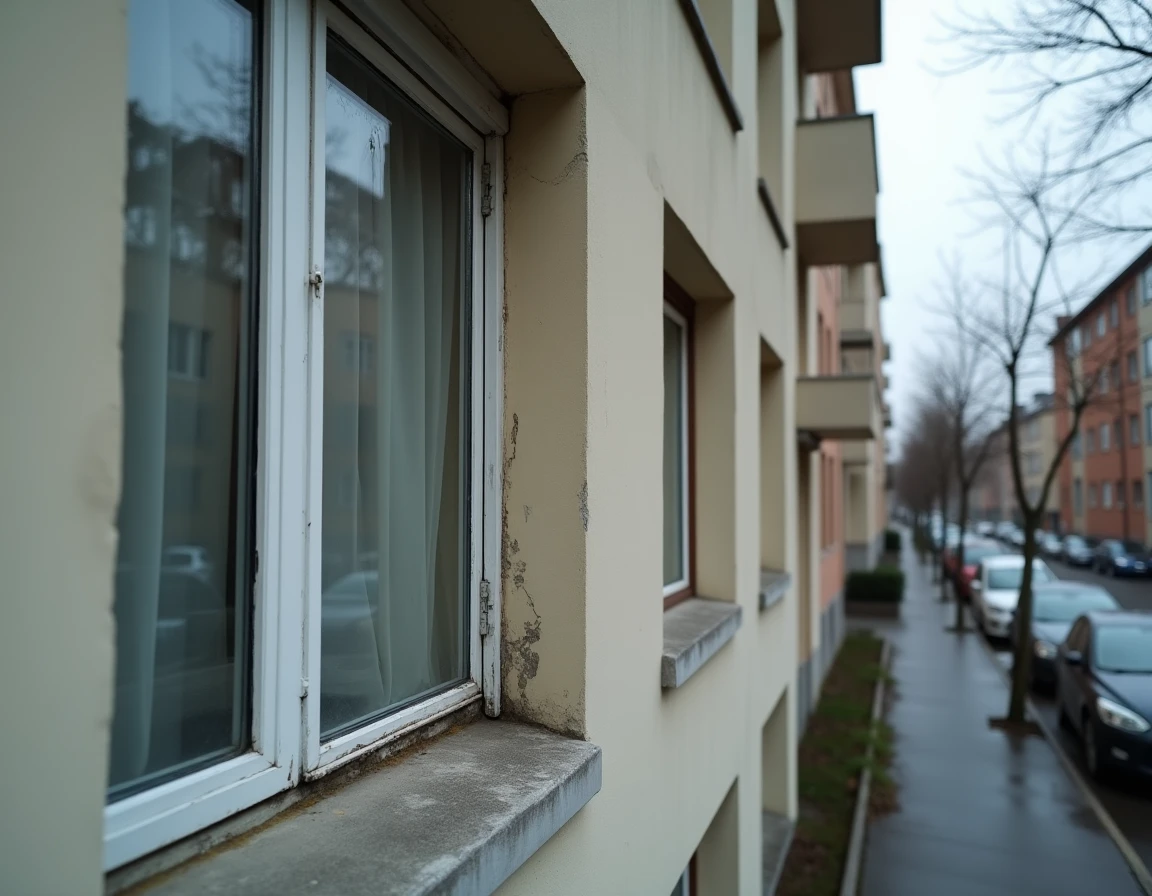
Windows facing the street or courtyard are the main entry point on the ground floor. An ajar window, a poorly secured shutter, or a single-glazed patio door is enough. The first floor shares some of this exposure, especially when an awning, a low wall, or a gutter facilitates climbing.
Do you live on the ground floor with a private garden? The hedge that protects you from prying eyes also shields the burglar once they are in your garden. This paradox explains why ground-floor apartments are among the most burglarized in urban areas.
Typical entry points on lower floors
- Windows facing the street or inner courtyard, often left open in summer for ventilation
- Patio doors leading to a garden or terrace accessible from public space
- Poorly secured basement windows allowing access to common areas
- First-floor balconies accessible from urban furniture (bins, bus shelters, low walls)
Intermediate and top floors: a false sense of security
Living on the fourth or fifth floor reduces risk, but does not eliminate it. Burglars targeting higher floors use different methods. They go through common areas, take advantage of an open building door, or follow a resident.
The top floors present a specific risk related to roofs. In older buildings, access to the rooftop terrace is sometimes possible from the service staircase. A burglar can descend onto a balcony on the top floor without being spotted in the common areas.
The configuration of balconies plays a key role on intermediate floors. When balconies touch from one apartment to another, it is enough to step over a light separation to move from one unit to the next. This type of lateral access is documented in safety audits conducted by police and gendarmerie safety officers.
Free safety audits: an underutilized tool
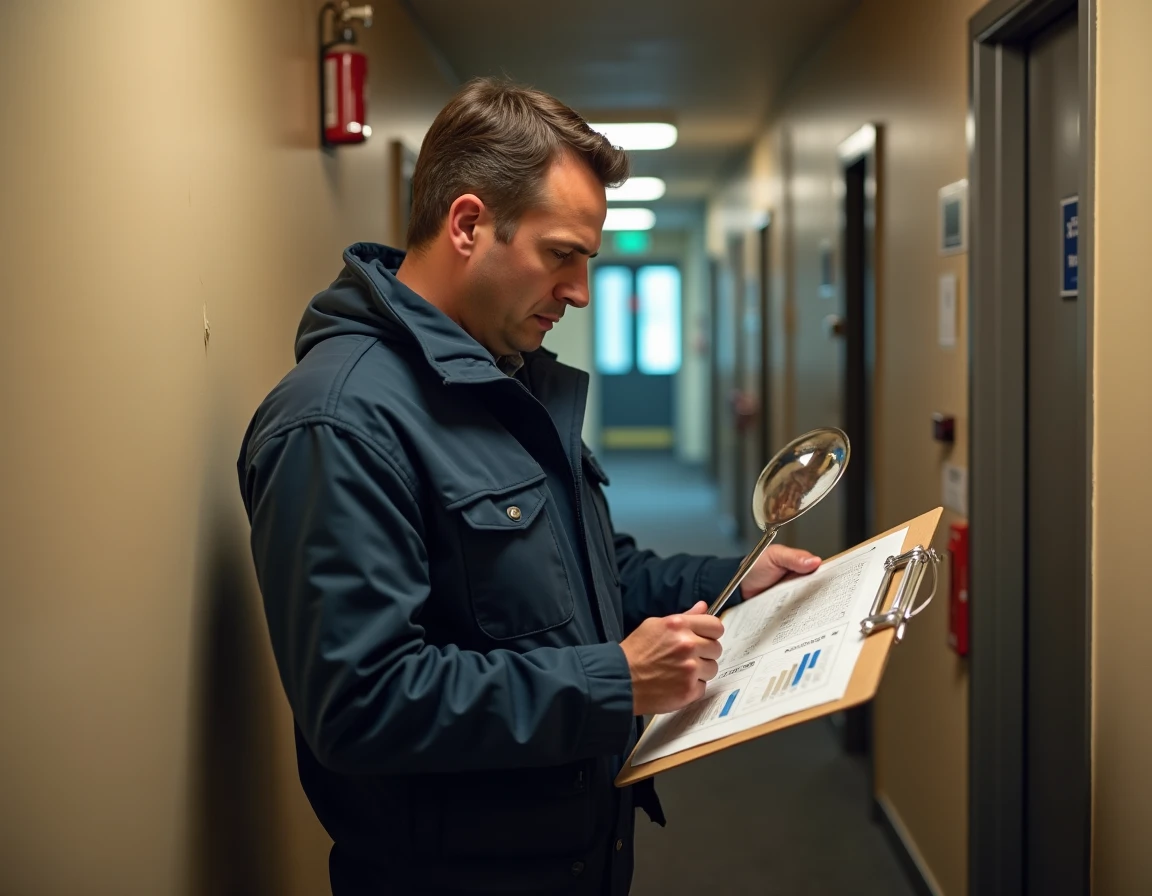
For several years, and more actively since 2023, police and gendarmerie safety officers have been offering free home safety audits. These assessments analyze the vulnerability of your residence considering the floor, roof access, contiguous balconies, garbage areas, and the quality of locks.
Few residents are aware of this service. Simply contact your local police station or gendarmerie to benefit from it. The officer will visit, examine the weak points, and provide tailored recommendations for your specific situation.
Securing your apartment based on its floor: the right reflexes
Effective protection directly depends on the level where you live. A relevant system on the ground floor may be useless on the sixth floor, and vice versa.
- On the ground floor and first floor: bars or grilles on accessible windows, rolling shutters with interior locks, opening detectors on every exterior opening
- On intermediate floors: reinforcement of the main door (multi-point lock, anti-pinch corners), checking the solidity of separations between balconies
- On top floors: securing access to the roof from common areas, detector on the balcony patio door, automatic lighting on the terrace
- On all floors: an alarm system with volumetric detectors remains the most deterrent device, regardless of the level
The downward trend in burglaries in France (approximately 249,000 incidents in 2016 compared to 212,000 in 2025 according to the SSMSI) shows that security efforts are paying off. The widespread use of digicodes, video intercoms, and surveillance systems in newer buildings directly contributes to this.
The choice of floor influences the risk of burglary, but it does not determine it alone. The quality of access to the building, the configuration of openings, and the security devices installed weigh as much, if not more, than height. Requesting a free safety audit from your local police station remains the most concrete step to identify vulnerabilities specific to your residence.