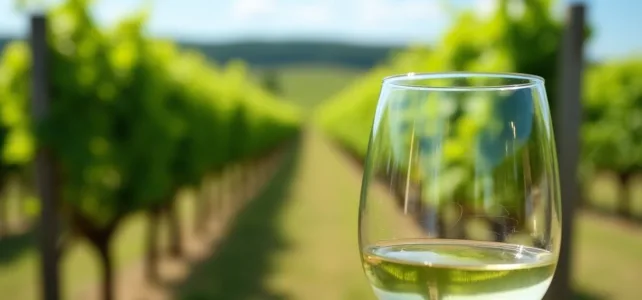
In the vast universe of French wines, certain names resonate like legends. The Chablis wine, with its almost mythical aura, stands out for its origin and exceptional quality. Nestled in the heart of Burgundy, this dry white wine has transcended ages, captivating the palates of wine lovers around the world. The magic of Chablis wine lies in its sophisticated simplicity, a paradox that only great vintages can embody. Appreciated for its freshness and minerality, it has become a true icon of French winemaking know-how.
Origins and Terroir of Chablis
The region of Chablis, located in the Yonne department of Burgundy, is the cradle of this prestigious wine. The unique terroir of the region is marked by clay-limestone soils, known as Kimmeridgian, which give the wines their distinctive character.
The vineyards of Chablis extend over an area of more than 4,500 hectares, divided into several levels of appellation, ranging from Petit Chablis to Grands Crus. Each vineyard plot is influenced by the region’s relatively cool climate, promoting a slow maturation of the grapes.
- The Kimmeridgian soils consist of marls and marine fossils, which enrich the wine with minerals.
- The four levels of appellation: Petit Chablis, Chablis, Chablis Premier Cru, and Chablis Grand Cru offer an impressive diversity of flavors.
- The cultivation of vines in Chablis dates back to Roman times, but it truly flourished thanks to the Cistercian monks in the Middle Ages.
Characteristics of Chablis Wine
The Chablis wine is exclusively made from the Chardonnay grape variety, giving the wine its purity and elegance. This wine is distinguished by its subtle aromatic notes and incomparable freshness.
- Typical aromas include notes of green apple, citrus, and sometimes floral hints.
- Minerality is an essential characteristic, often described as stony or shell-like notes.
- The mouthfeel is lively, with a refreshing acidity that balances the flavors.
- The flavor profile is often complemented by a slight creaminess, especially in the Premiers and Grands Crus.
Food and Wine Pairings
In terms of gastronomy, Chablis wine is an ideal companion for many dishes. Its freshness and acidity enhance the flavors of the dishes, creating a perfect harmony that elevates every bite.
Seafood and fish are the natural allies of Chablis. A platter of fresh oysters, pan-seared scallops, or smoked salmon reveals their complexity alongside this wine. Soft cheeses, such as camembert or brie, also benefit from this pairing, as the wine balances and softens their rich flavors.
Dishes based on poultry, simply cooked with herbs and light spices, find a perfect partner in Chablis. The simplicity of the ingredients allows the wine to shine, while the mineral and fruity notes enhance every element of the dish.
The Great Vintages and Producers
Every wine enthusiast knows that some years are more memorable than others. The Chablis wine is no exception to this rule. Several vintages have stood out over the years, offering wines of exceptional quality.
The years 1996, 2002, and more recently 2010, 2014, and 2017, are often cited as references in the world of Chablis. These vintages are distinguished by their perfect balance between acidity and aromatic complexity, a challenge often accentuated by the region’s variable climatic conditions.
Among the emblematic producers, names like Domaine William Fèvre, Jean-Marc Brocard, and Raveneau are synonymous with excellence. Each of these estates showcases the potential of the terroir, creating wines that reflect the unique identity of each plot.