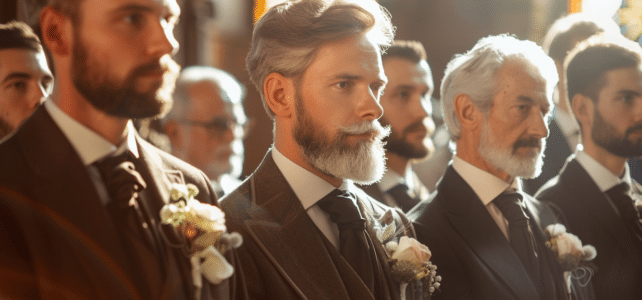
At the heart of wedding traditions, essential figures orchestrate the symphony of marriage, often in the shadow of the bride and groom. These lesser-known roles are, however, the pillars of a successful celebration. Between the wedding coordinator, who ensures the smooth running of the event, and the master of ceremonies, who guides guests through the steps of the big day, they shape the wedding experience. There are also specific cultural actors, such as matchmakers in certain traditions, who play a fundamental role in uniting families. These participants hold skills and traditions that deserve to be highlighted.
Wedding traditions around the world: a cultural diversity
The wedding traditions reflect the richness and complexity of the cultures that shaped them. From Japan with its Shinto ceremonies where the couple is dressed in traditional kimonos, to India and its colorful Hindu weddings, each wedding rite is a window into the symbolic universe and values of a society. These matrimonial customs, often ancestral, reflect the history and intangible heritage of peoples.
Within this cultural tapestry, the bridesmaid, although less known in some Western countries, remains a prominent figure in many international weddings. Like a guardian of traditions, she accompanies the bride in her preparations and ensures the respect of customs and practices. She is both advisor, confidante, and assistant, playing a discreet yet essential role in the success of the ceremony.
The cultural diversity of wedding rites also extends to the participants in the wedding. In Africa, griots – storytellers and musicians – are the guardians of the oral transmission of family stories and the celebration of the union. In Europe, wedding witnesses often take on specific ceremonial functions, such as holding the rings or reading significant texts.
International weddings have become melting pots where different matrimonial customs blend and hybridize. These unions illustrate the ability of traditions to evolve, adapt, and integrate new elements while preserving their essence. The actors of these weddings, whether officiants, advisors, or assistants, play a crucial role in weaving these intercultural bonds, enriching the global wedding heritage.
The lesser-known actors of weddings: roles and meanings
The wedding procession offers a stage where each wedding actor plays their part with choreographed precision. Beyond the obvious figures of the bride and groom and their families, other characters intervene, whose roles and presence are far from anecdotal. The wedding roles of these participants, often unknown to the general public, are rooted in a tradition that gives the ceremony a solemn and symbolic dimension.
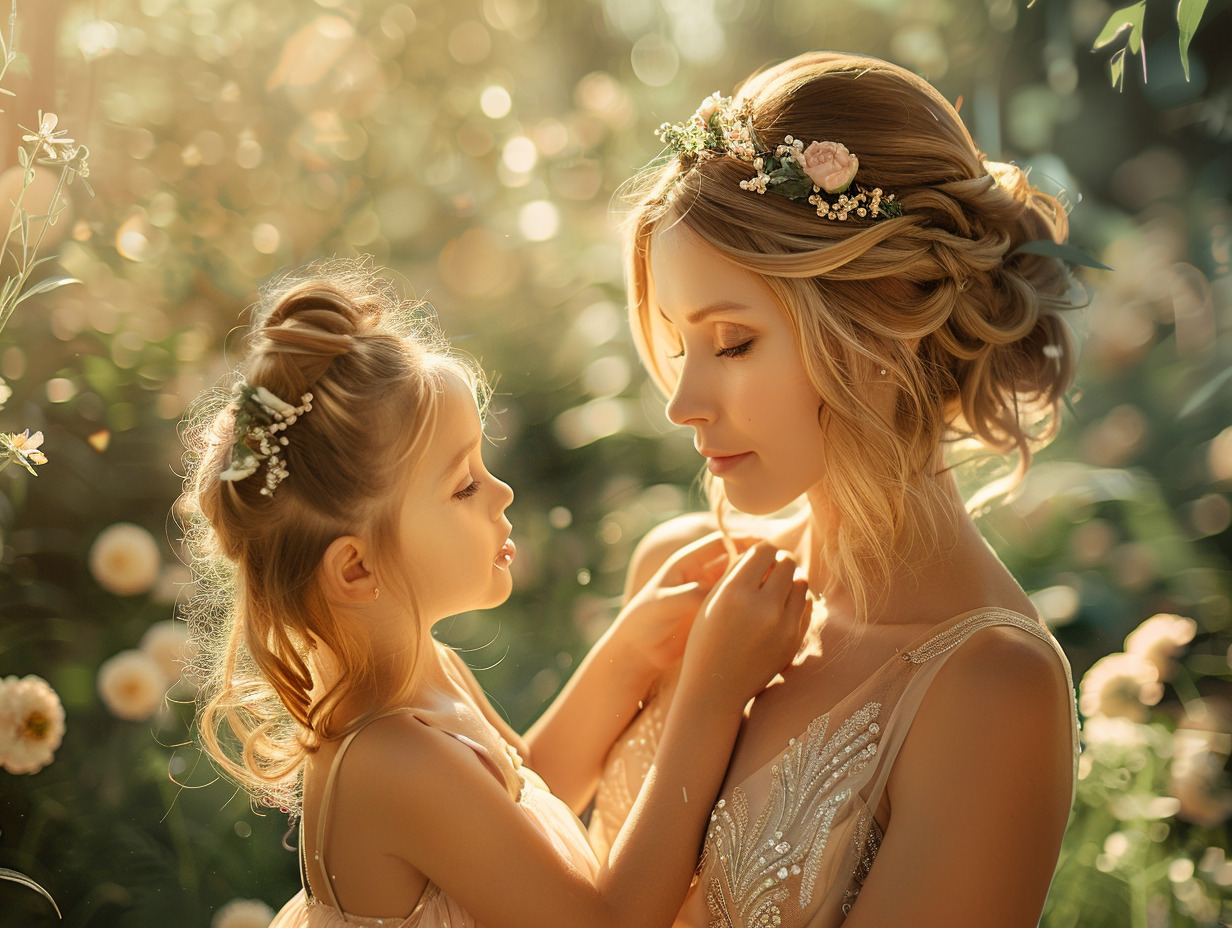
The wedding participants such as the flower children embody innocence and purity. They precede the bride on her way to the altar, scattering petals or carrying the rings, symbols of eternal love. These roles, seemingly minor, are laden with deep matrimonial meanings and contribute to the fairy-tale atmosphere of the wedding.
Some cultures place particular importance on the figure of the wedding godfather, who, beyond his role of moral support, may be called upon to offer advice to the young couple or to intervene financially. The godmother, often chosen from among the bride’s close relatives, holds a place of counsel and support, embodying a strong and lasting intergenerational bond.
The ceremonial functions assigned to specific individuals during weddings reveal the extent of the responsibilities allocated to each participant. The officiant, bearer of spiritual or civil authority, validates the union, while the witnesses, true guarantors of the commitment made, are called upon to attest to the sincerity and longevity of the exchanged vows. These roles, essential to the smooth running of the ceremony, illustrate the complexity and importance of each link in the matrimonial chain.