The second-hand market, whether for scooters, motorcycles, or cars, represents the majority of transactions between individuals in France. The regulatory framework has evolved in recent years with the widespread adoption of history verification platforms and the rise of independent expertise. Buying a used vehicle requires mastering a few technical reflexes, both before signing and throughout the vehicle’s lifespan.
Independent expertise and voluntary technical inspection: two underutilized levers
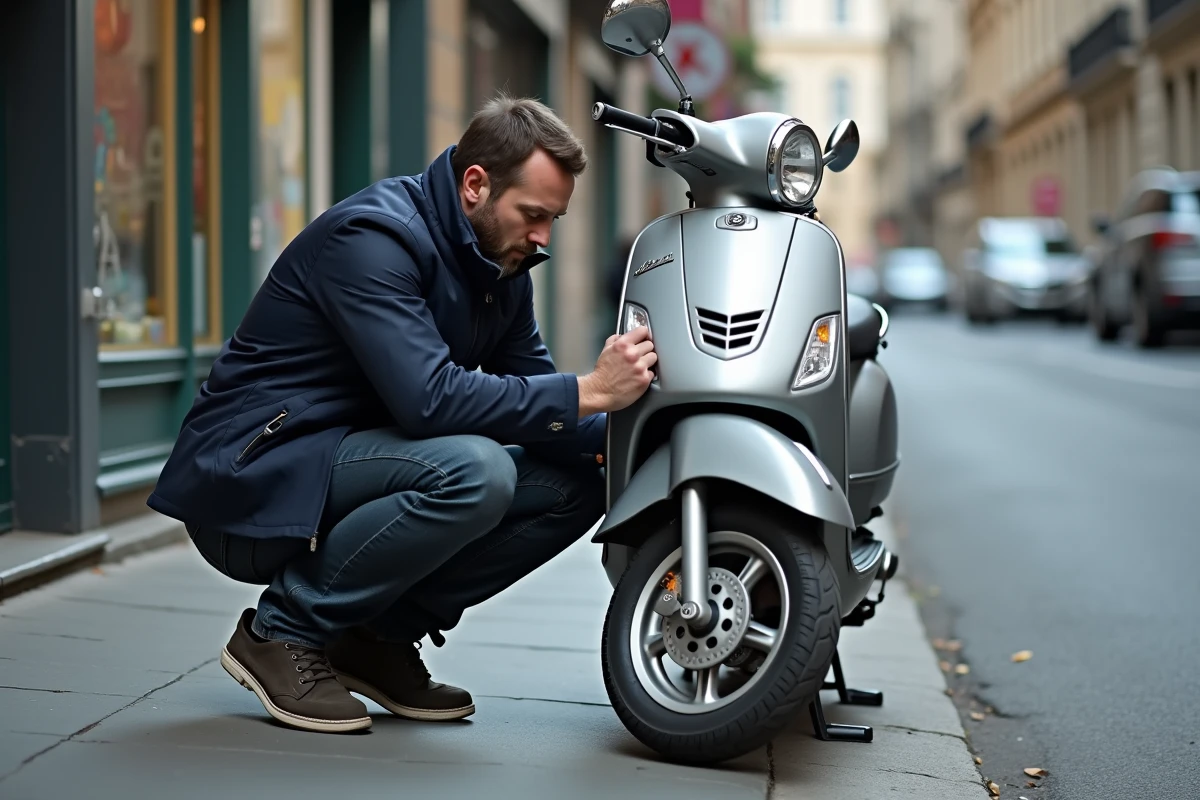
Most buying guides focus on the visual inspection of the vehicle. This approach has its limits: a frame defect on a scooter or a latent engine problem on a car cannot be detected with the naked eye.
Since 2023, specialized press increasingly recommends resorting to a paid independent expertise before any purchase. According to the Journal du Net, which cites automotive expert Moundyr Gainou, the cost ranges from 200 to 400 euros, a modest amount compared to the risk of several tens of thousands of euros in the event of hidden defects on a recent model.
In addition to the mandatory technical inspection, the voluntary technical inspection (around 70 euros) serves as a negotiation tool often overlooked. Requested by the buyer before the sale is finalized, it provides a neutral and recent report that documents the actual condition of the vehicle and allows for price adjustments accordingly. From ads posted on scootauto.fr to private listings, this approach applies to both cars and scooters.

Online history verification: what the VIN of a scooter or car reveals
The stamped maintenance booklet remains a reference document, but it is no longer sufficient. Platforms for verification based on the VIN or license plate have changed the game.
In France, Histovec allows you to check a vehicle’s history for free: number of owners, declared accidents, administrative status. The seller generates a secure link that the buyer consults before traveling. This verification takes a few minutes and filters out a significant portion of problematic listings.
For used scooters and motorcycles, the process is the same but less common in buying habits. The VIN is located on the frame of the two-wheeler and on the registration document. A serial number that does not match the provided documents should halt any negotiations.
Points that Histovec does not cover
Histovec provides information on declared accidents to insurance companies, but not on repairs made outside the official circuit. A scooter that has fallen and been righted without declaration, a car repainted after a minor collision: these situations slip through the administrative net. Hence the importance of cross-referencing online verification with a methodical physical inspection.
Maintenance of a used scooter: technical aspects to monitor
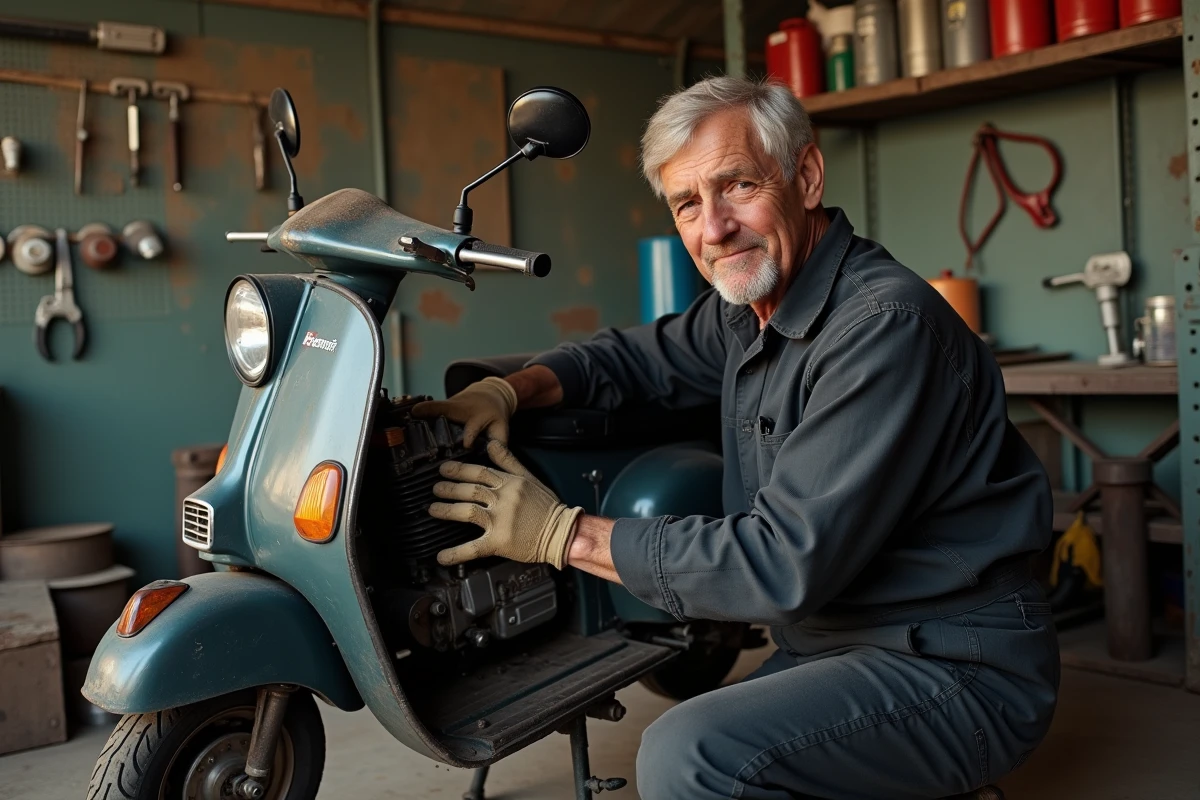
The maintenance of a used scooter differs significantly from that of a car, and buyers transitioning from one to the other often underestimate this specificity.
- The engine oil change and filter replacement should follow the manufacturer’s recommendations, generally every few thousand kilometers. For a used scooter with an incomplete history, an immediate oil change after purchase is the minimum.
- The transmission belt (variator) is a wear part specific to scooters. Its replacement is not always recorded in the booklet, and a worn belt can fail unexpectedly.
- The brakes, fork, and wheels deserve particular attention: worn pads, leaking fork, cracked tires are common defects on two-wheelers that have been stationary for several months.
- The condition of the clutch (on scooters with a gearbox or maxi-scooters) is tested during driving: abnormal slipping during acceleration indicates a replacement is needed.
Used car maintenance: distinguishing urgent from preventive
With a used car, the temptation is to replace everything at once to start fresh. This approach can be costly without justification.
The most relevant strategy is to prioritize interventions based on their impact on safety. Replacing brake pads, checking the cooling system, and inspecting the timing (chain or belt) are the three priority areas. An engine whose timing belt has not been replaced within the manufacturer’s timeframe poses a risk of total engine failure.
Warranty on used vehicles: what it actually covers
When a used vehicle is purchased from a dealership, a legal warranty of conformity applies. Between individuals, the situation is different: only the warranty against hidden defects protects the buyer, and the burden of proof rests on them. Field reports vary on this point, as procedures can prove lengthy and costly against a dishonest seller.
For scooters purchased between individuals, no commercial warranty applies unless there is a written agreement. Pre-purchase expertise takes on full significance here.
Overall budget for a used vehicle: beyond the purchase price
The price displayed in an ad reflects only part of the actual cost. Repair costs, insurance, registration fees, and routine maintenance in the first year significantly alter the financial equation.
For a scooter, wear parts (belt, rollers, pads, tires) represent an annual budget to anticipate. For a car, the cost of a timing belt or a clutch replacement can alone represent a significant fraction of the initial purchase price.
Taking the time to estimate these costs before signing transforms an apparently good deal into an informed decision, or allows for the exclusion of a vehicle whose total cost exceeds what the market offers in better condition.